PALMYRA

An essay film
by Hans Puttnies

Stimmen zum Film

"Palmyra" is the work of someone at once loving and despairing… for Puttnies weighs the death of people more heavily than the death of buildings. To understand what terror does to us, this essay film is essential.

Frankfurter Allgemeine Zeitung

That this film has found a regular distributor is an unexpected gift. One wishes it as many viewers as possible.

Andreas Kilb, FAZ

The images of ancient Palmyra alone are wonderful — and the loss is painful.

Rolf Brockschmidt, Tagesspiegel

A cinematic essay that invites reflection on the European relationship to the Orient.

Silvia Bahl, Programmkino.de

"Palmyra" is an eminently political film.

Rüdiger Suchsland, SWR 2

With this film you can learn to see anew — and afterwards travel through other places with sharper eyes.

Bernd Rebhandl, tip Berlin

Rarely has a film surprised, astonished and moved me as much as this one.

Claudia Schulmerich, Weltexpresso.de

Puttnies has an ambitious aim: he wants to deconstruct our Western gaze.

Hannah Lühmann, Die Welt

"Palmyra" is not an essay film that only mourns the destruction — it offers plenty of impulses for thinking further.

Barbara Schweizerhof, epd film

The tragedy of Palmyra, the loss of history, becomes a personal, human story here — one we would no longer remember without the film, because the history books have no room for it either.

Oliver Armknecht, Filmrezensionen.de

Trailer

About the Film

An essay film by Hans Puttnies

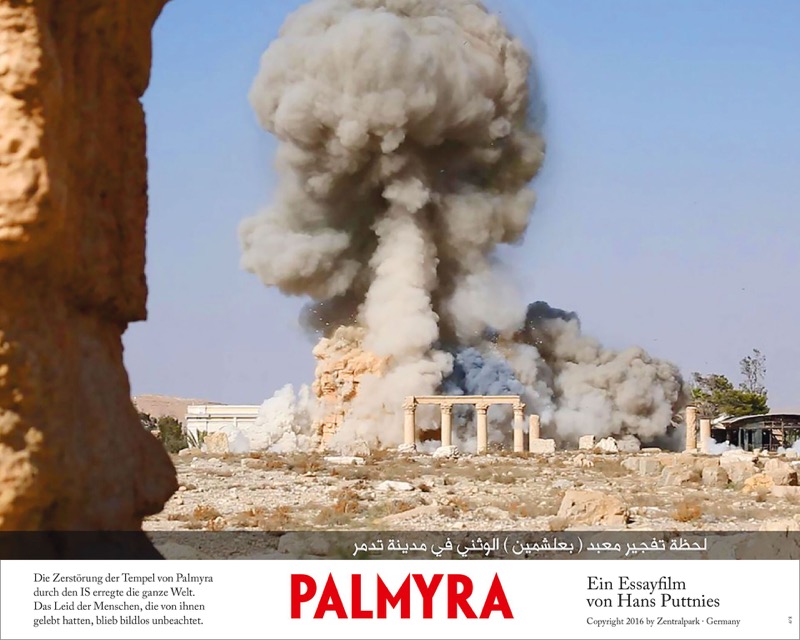
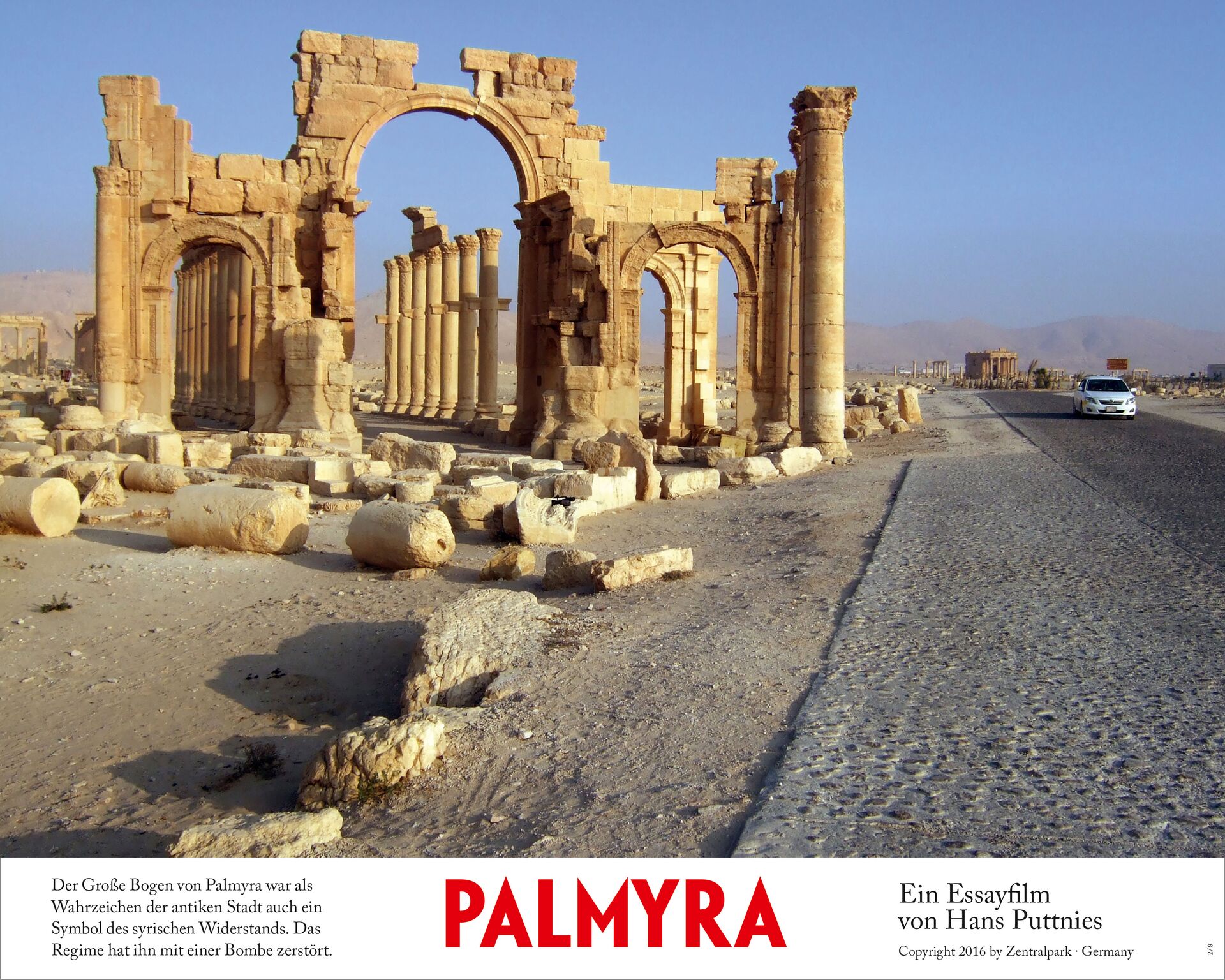
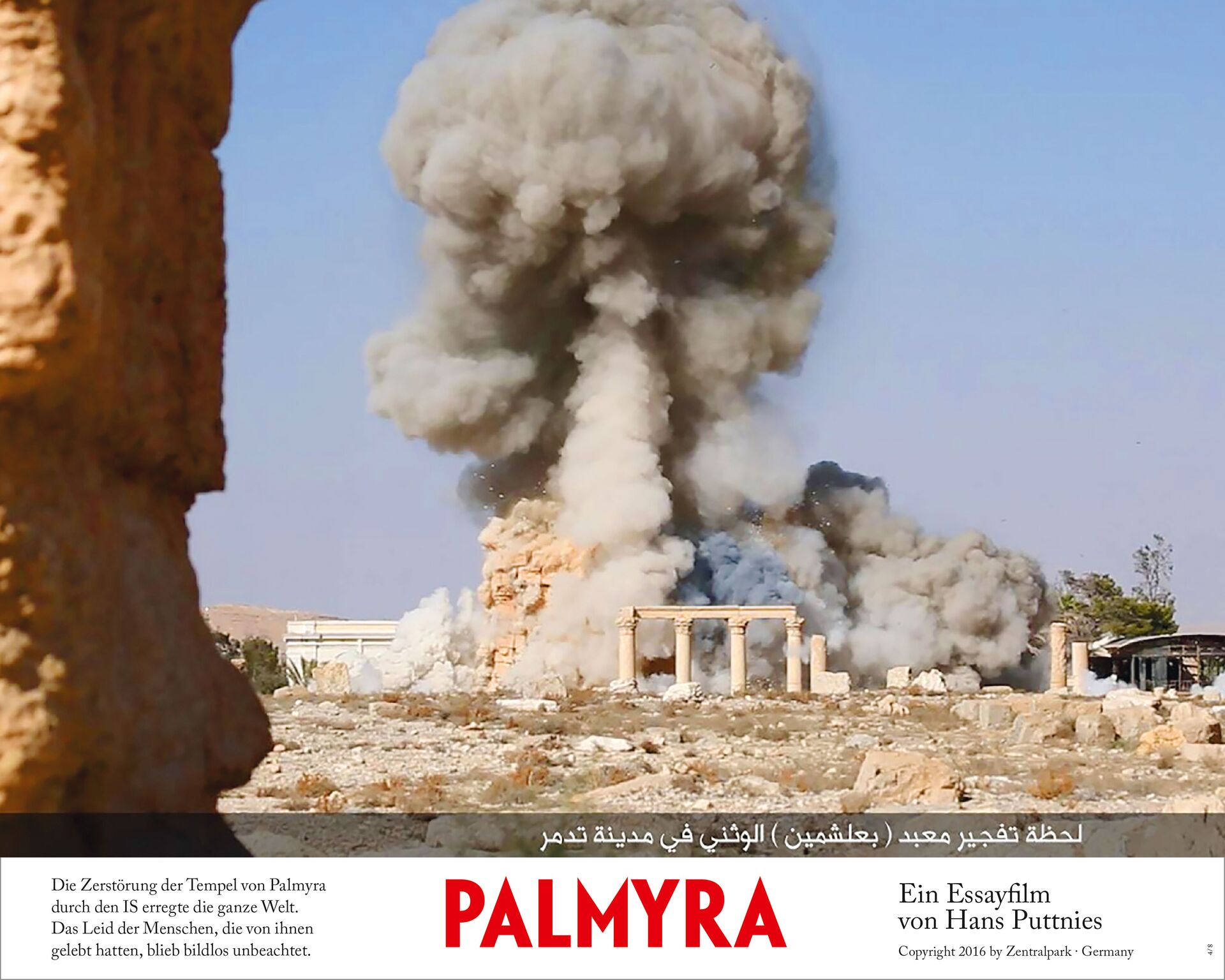
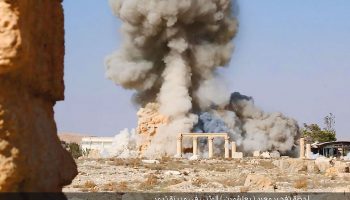
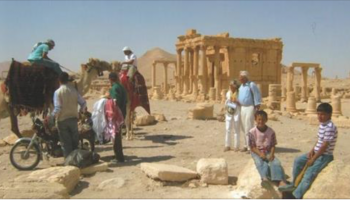
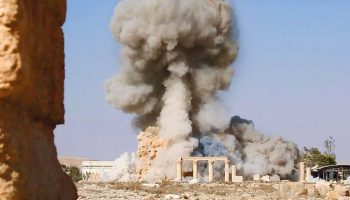
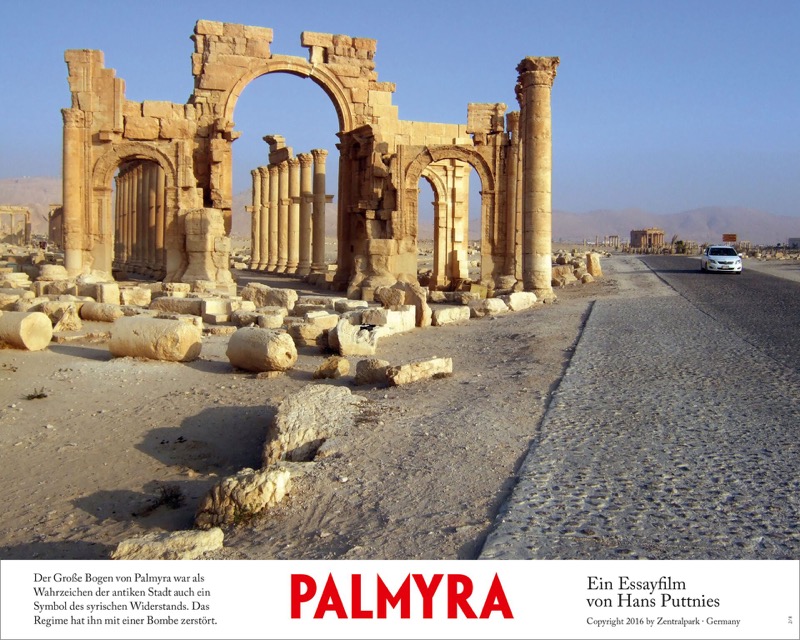
In the summer of 2015, the famous temples of Palmyra in Syria were destroyed by the "Islamic State". Most people did not realise that an even greater crime was about to begin: the Assad regime ruthlessly bombed the modern town of Tadmor right next door and turned the families who had lived off the monuments into refugees in Europe.

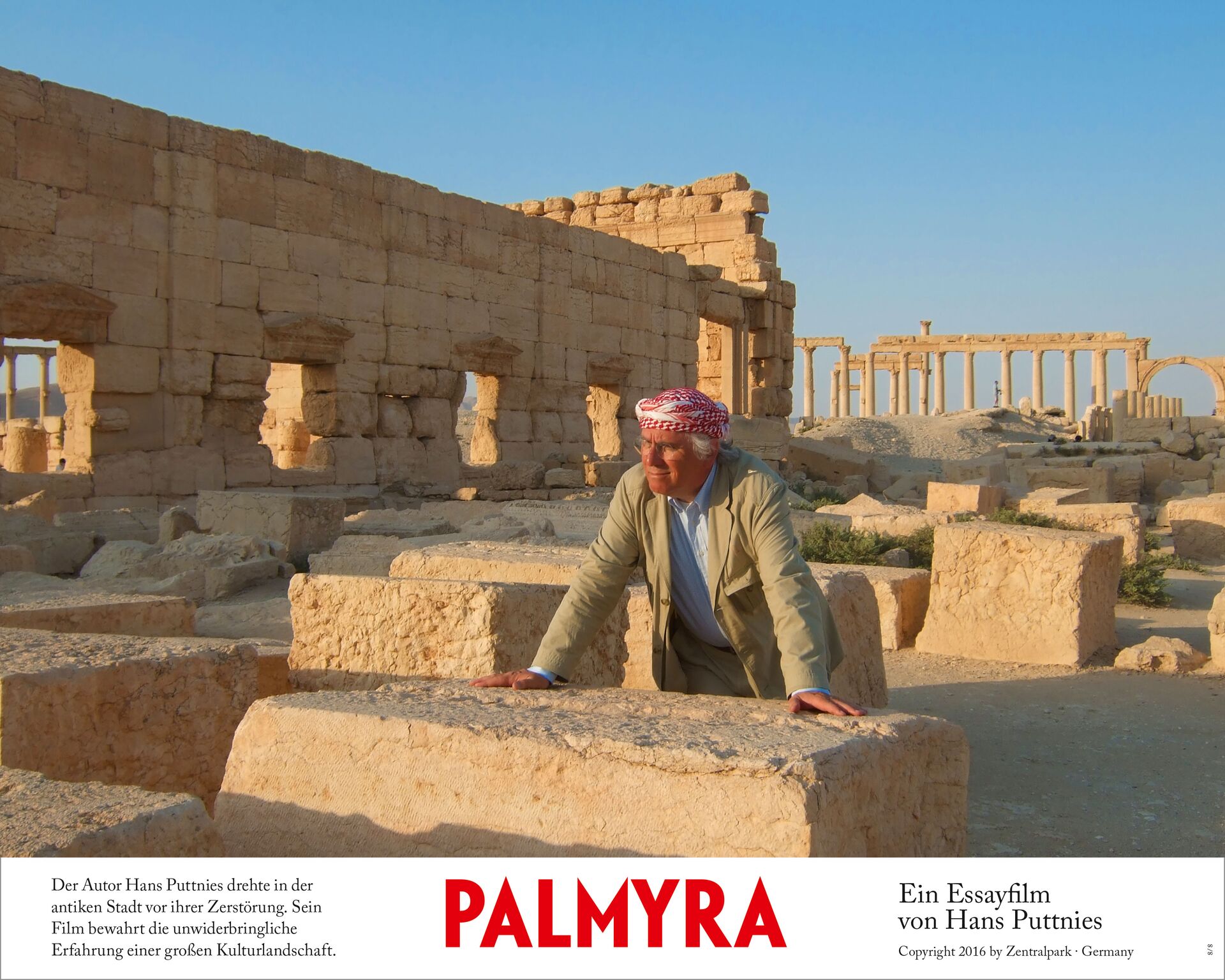
In the politically engaged film "Palmyra", Hans Puttnies takes the side of these people. Before the war, he was the only one to film the afterlife of antiquity in Palmyra: archaeology and dictatorship in harmony with educational tourism. His feature-length essay film critically traces the path that led to the exalted "World Heritage" — used during the war as propaganda by all sides — and yet was the beloved home of many people.
Photos

  • Palmyra — Foto 1
  • Palmyra — Foto 2
  • Palmyra — Foto 3
  • Palmyra — Foto 4
  • Palmyra — Foto 5
  • Palmyra — Foto 6
  • Palmyra — Foto 7
  • Palmyra — Foto 8

Film Structure

The Film in Eight Chapters

  1. Chapter One

    Going There and Seeing

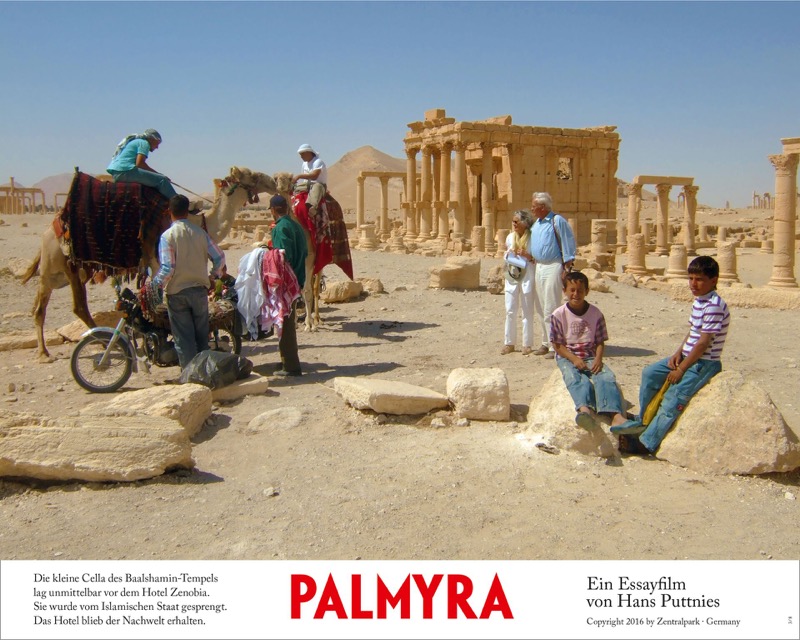
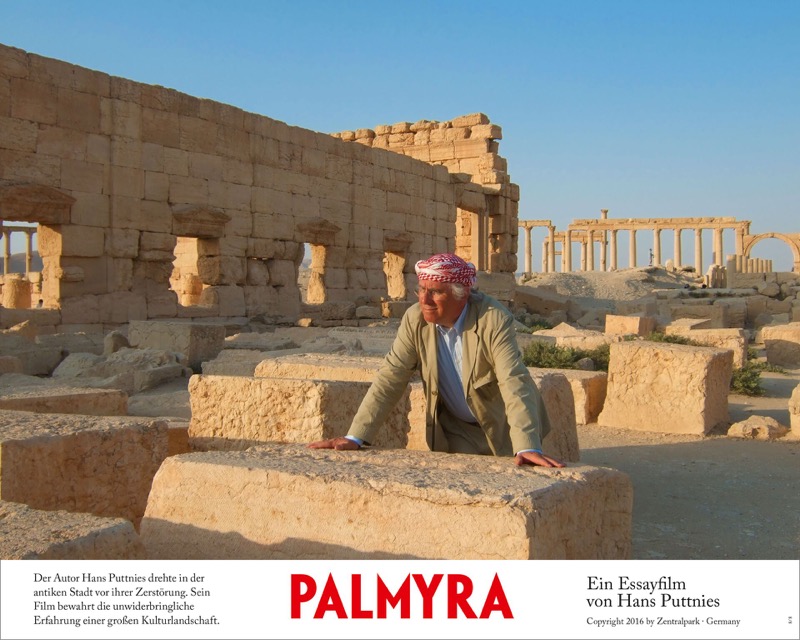
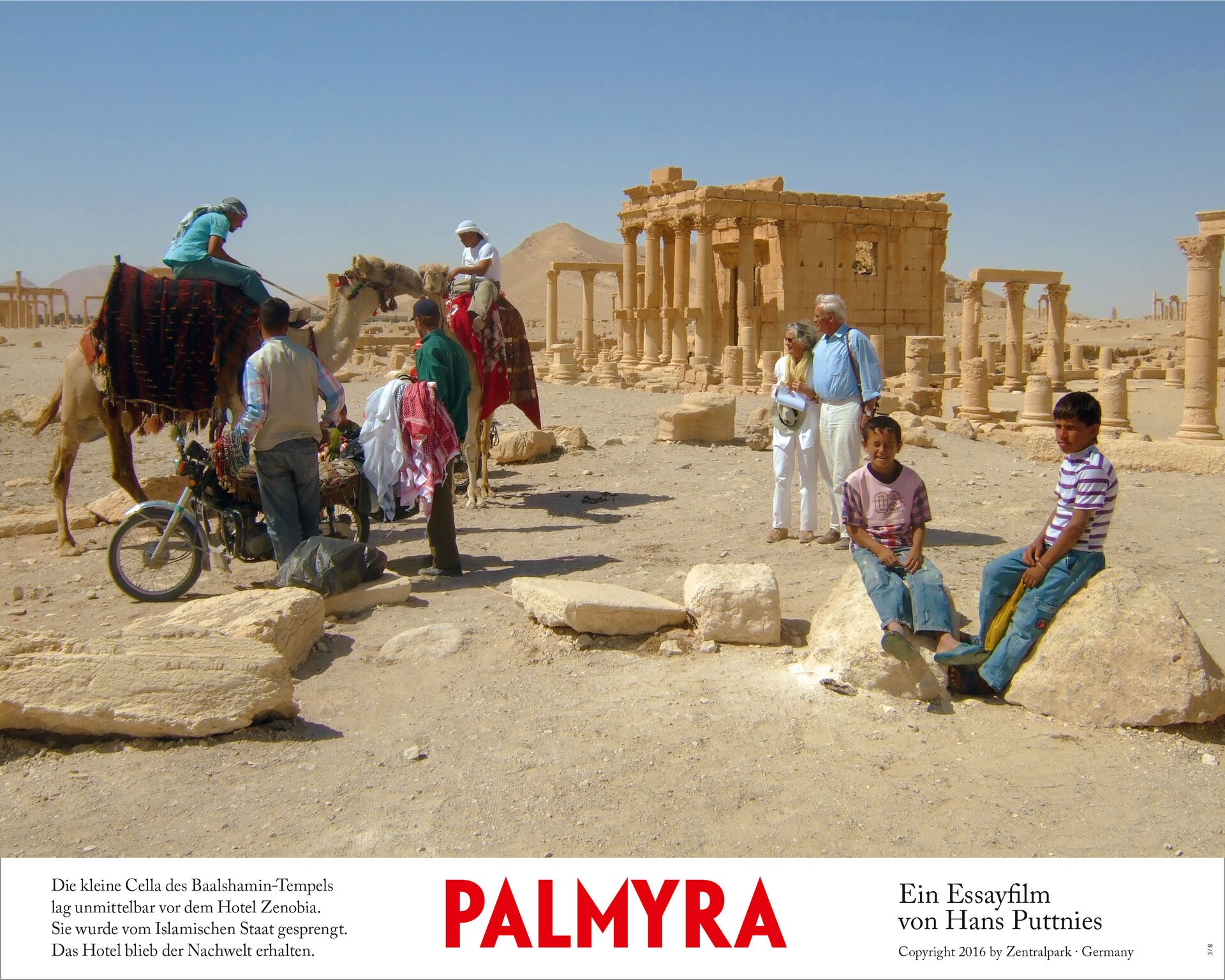
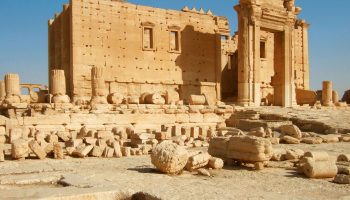
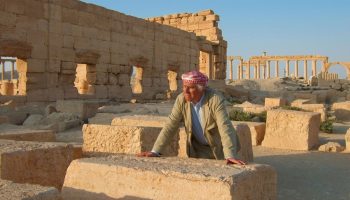
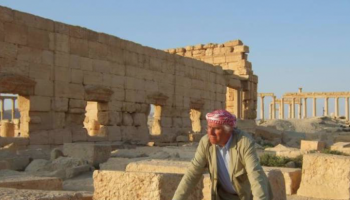
    A man walks alone with his camera past enigmatically beautiful temples and colonnades stretching far into the desert landscape. He does not suspect that he is preserving a visual experience that can now only be had in this film. Palmyra was largely destroyed in the war in 2015.

  2. Chapter Two

    Reading in Images

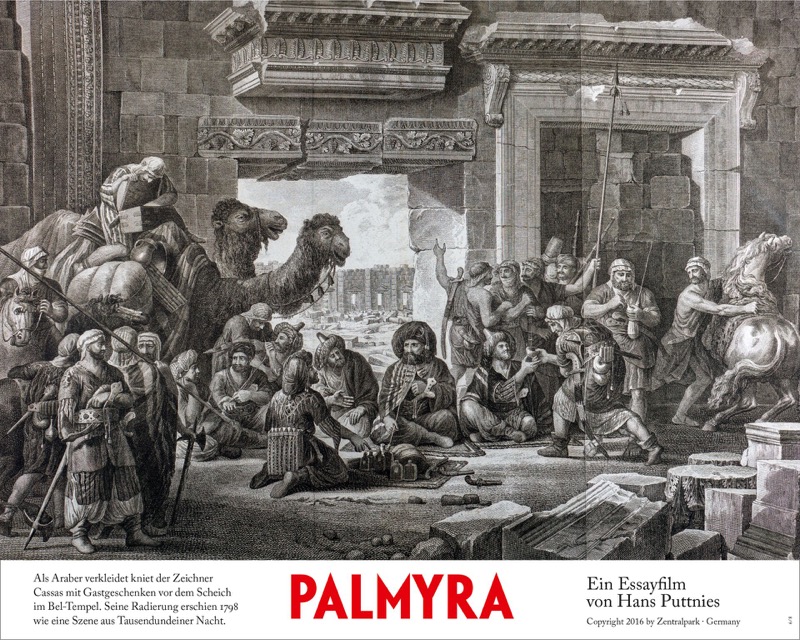
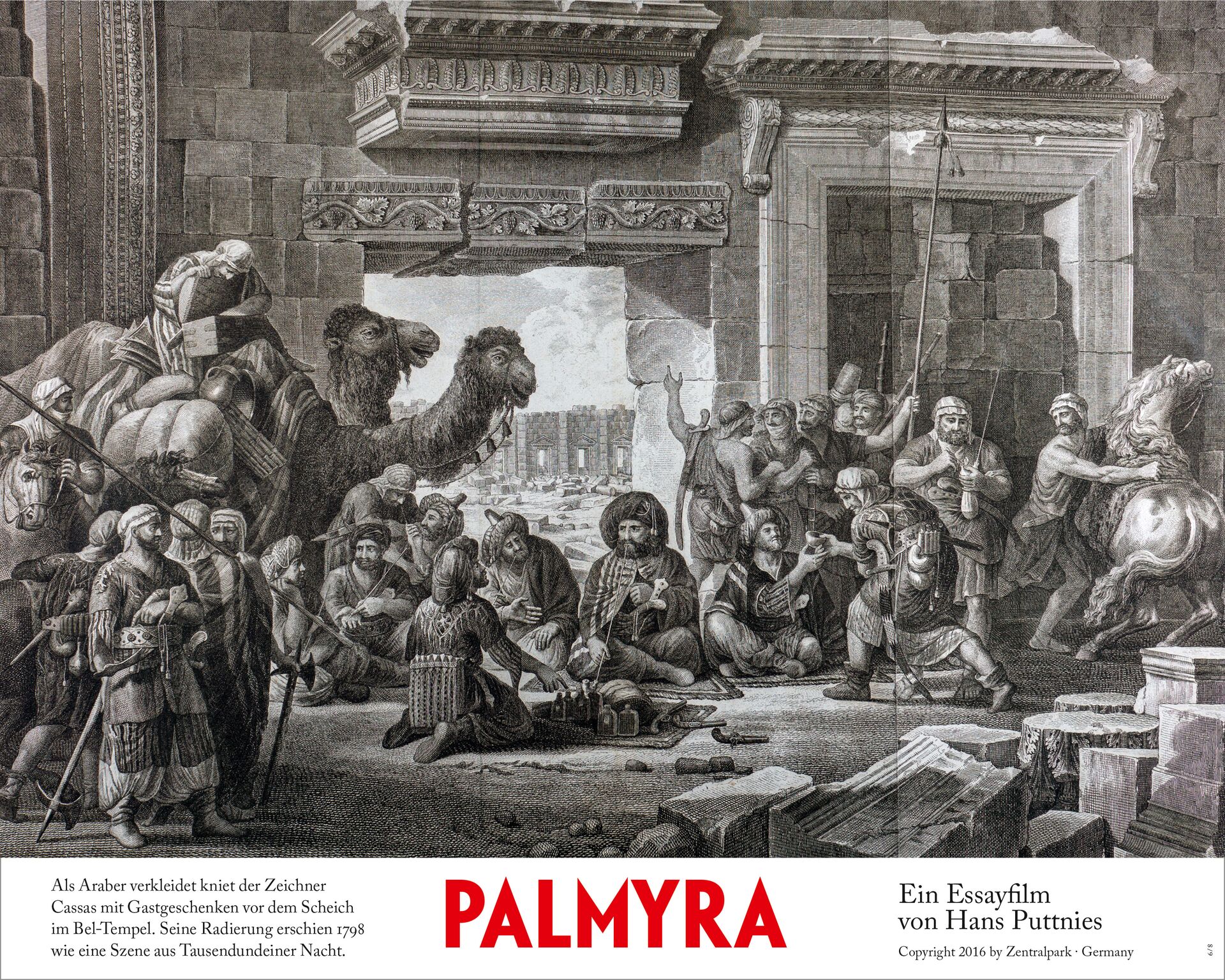
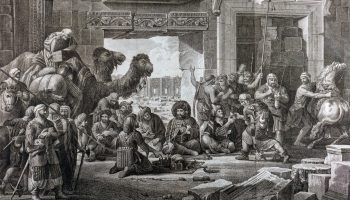
    In the 18th century, the ruins of Palmyra were a kind of mirage conjured by antiquity-obsessed gentlemen through copperplate engravings. The many reproductions of their images then solidified the idea of an enchanted city just waiting to be kissed awake by Europeans.

  3. Chapter Three

    Comprehending a Temple

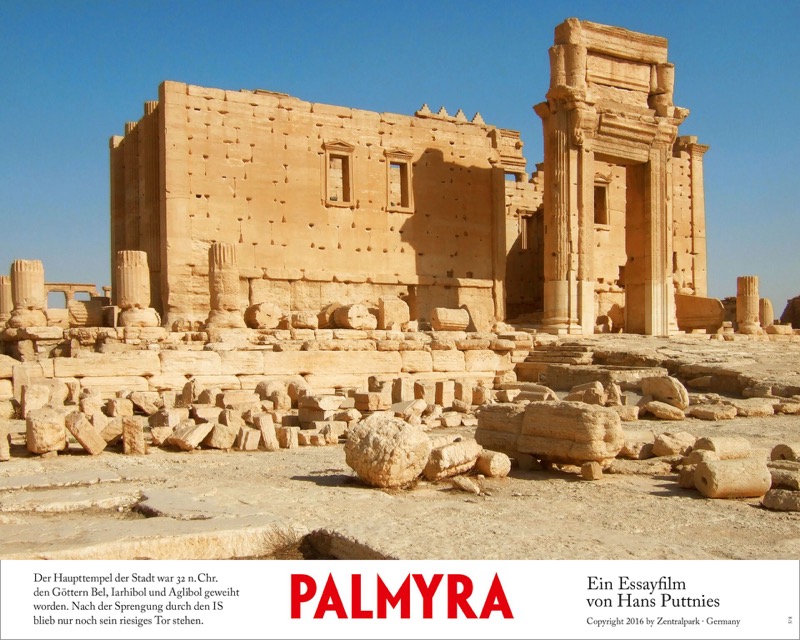
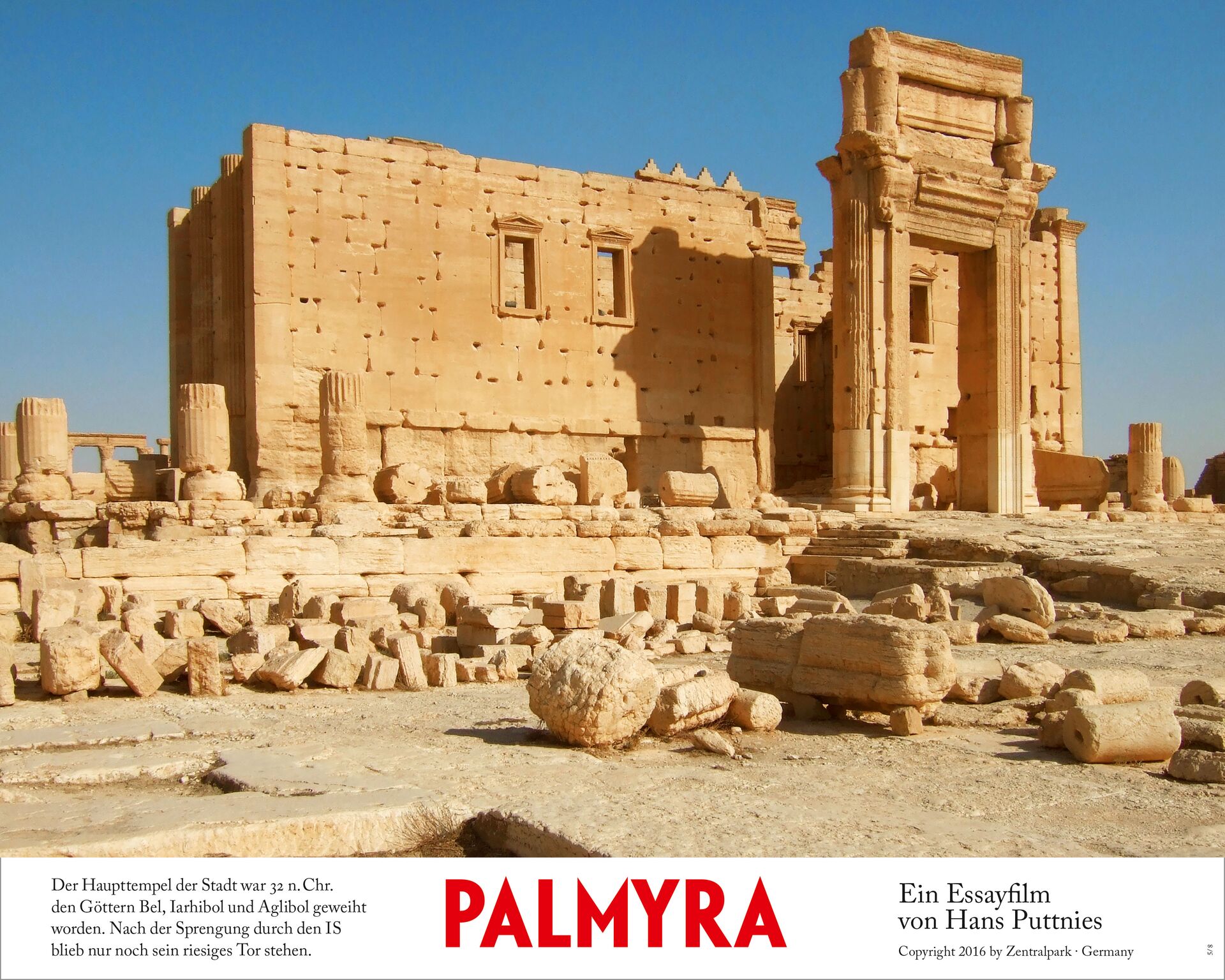
    Whoever entered the ramp to the cella of the Temple of Bel became aware of their own religious insignificance and could still feel the gods in the fallen ornaments. Yet the temple precinct had also been an Arab small town for centuries, dismantled without a trace by archaeologists.

  4. Chapter Four

    Excavating and Possessing

    The amateur archaeologist Wilhelm II ensured during World War I that German researchers could examine Palmyra for the first time. The victorious French then excavated the ruins and, together with other European nations, restored them into the touristically successful "World Heritage Site."

  5. Chapter Five

    Downloading a War

    In the crusade of the Islamic State, the temples and tower tombs fell before Palmyra was recaptured for Russian propaganda and lost again. We experienced all this through the media as a battle for our cultural values, while the people on the ground died and their residential city Tadmor was destroyed by bombs.

  6. Chapter Six

    Experiencing and Transmitting

    The gold of Palmyra's dead mostly fell into the hands of grave robbers as early as the Middle Ages. Only the modern art trade also exploited the ancestral portraits from the tower tombs and elevated them to the status of precious artworks. Thus ennobled, ISIS could exchange them for machine guns.

  7. Chapter Seven

    Telling Legends

    Zenobia was briefly queen of the Palmyrene Empire and ended up in Roman captivity. But the legend of her alleged rebellion was exploited for books, operas, paintings, and films. The Syrian state now uses her as a propaganda statue for its "monument protection."

  8. Chapter Eight

    Making Friends

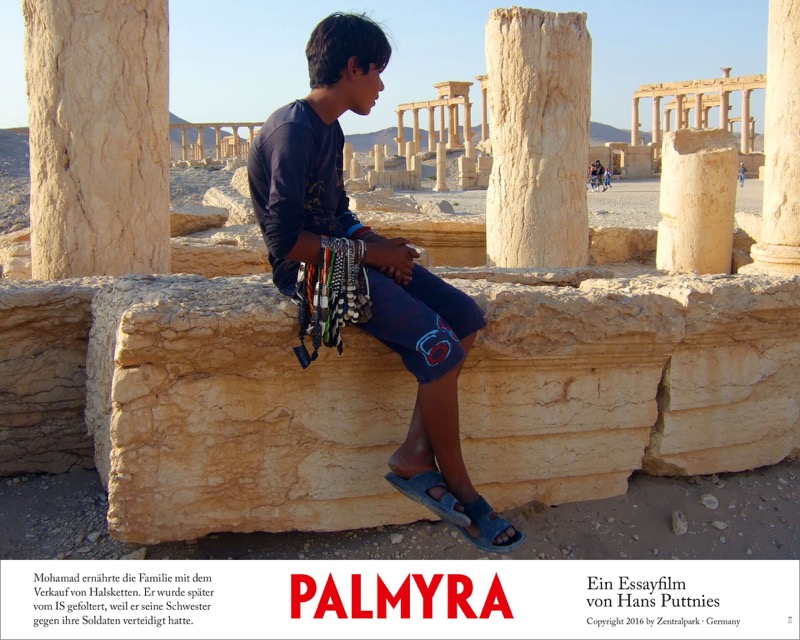
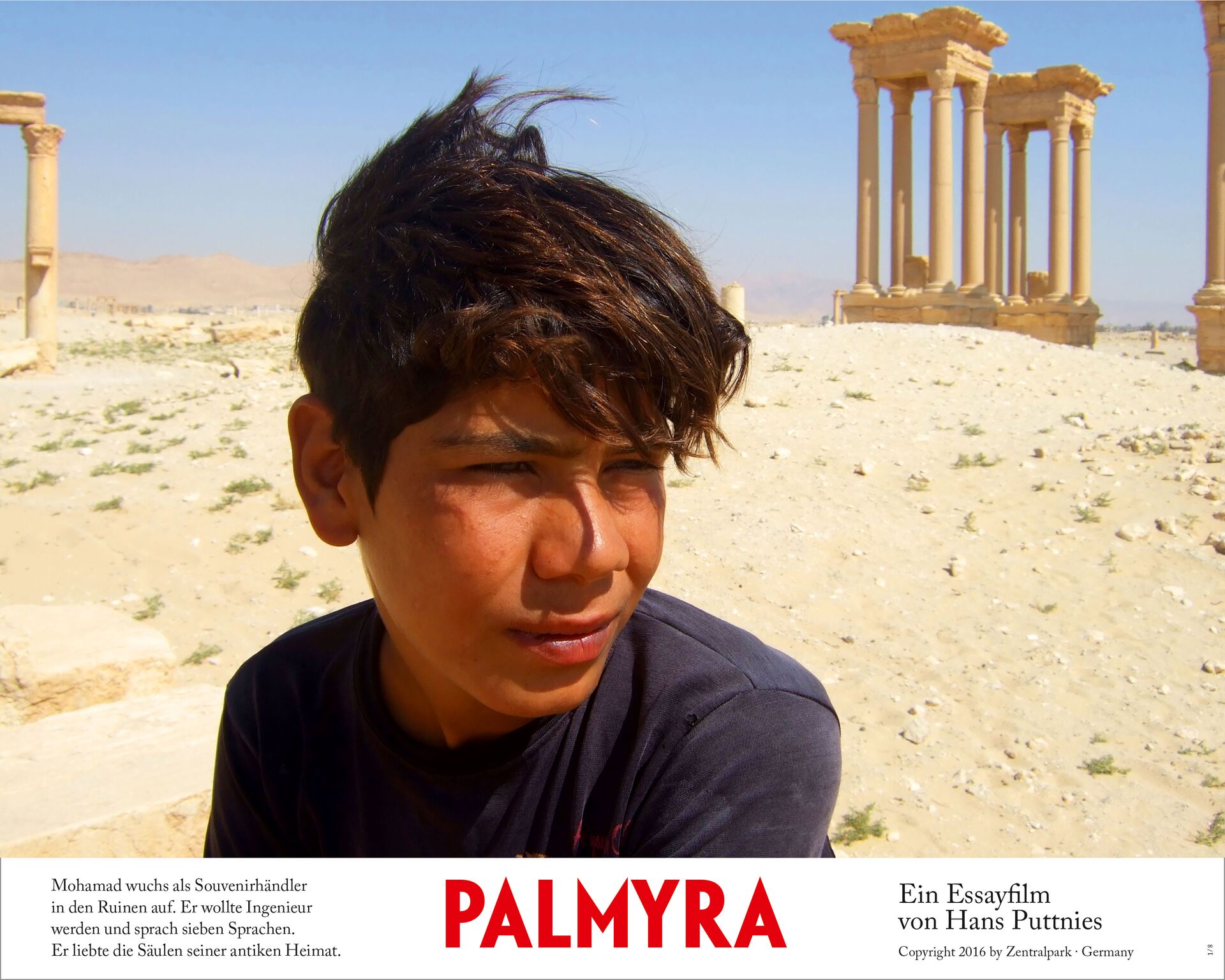
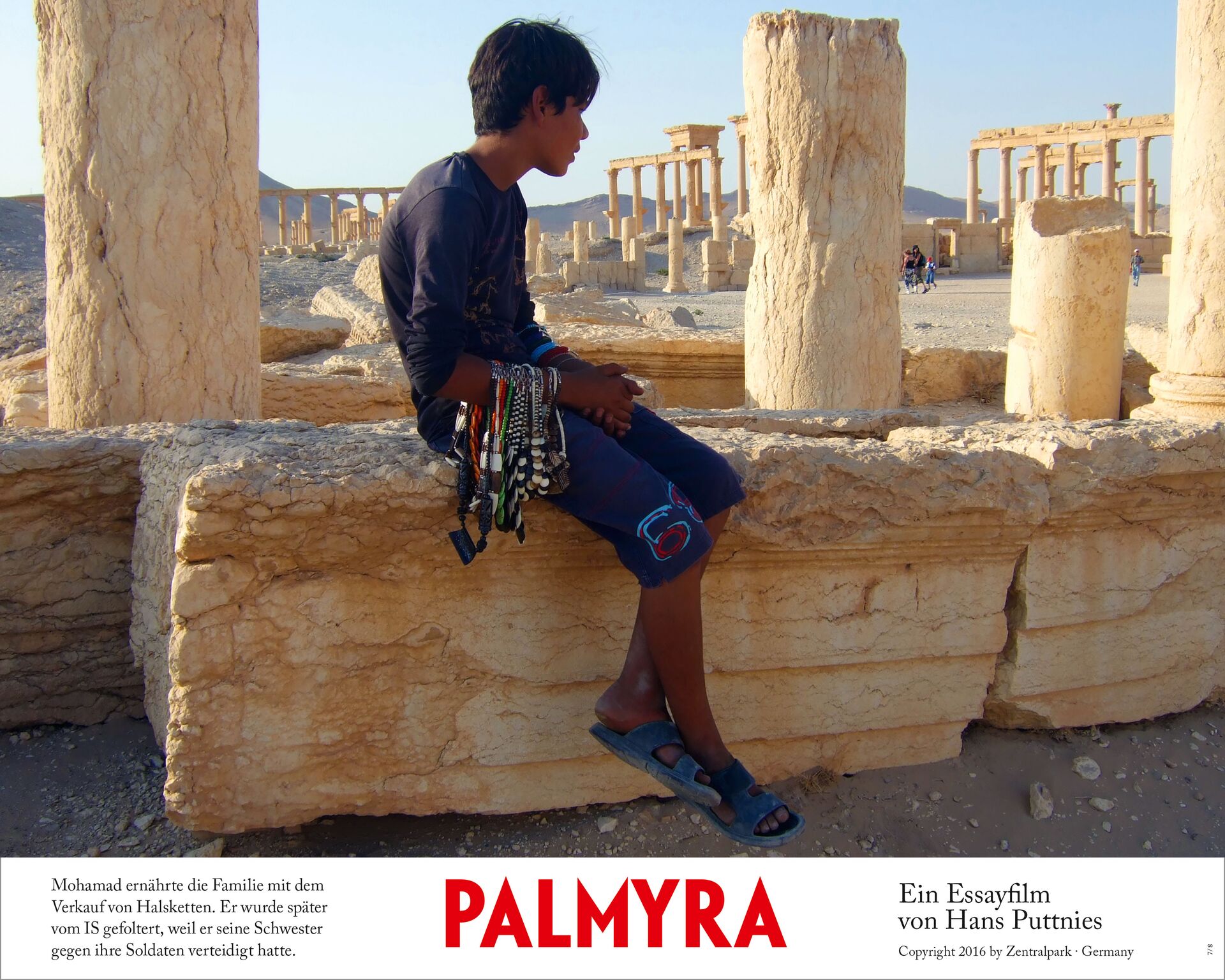
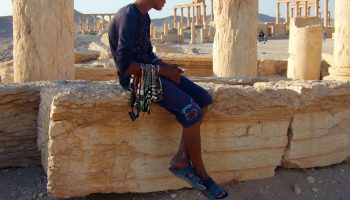
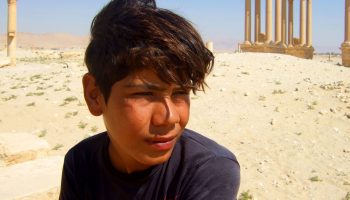
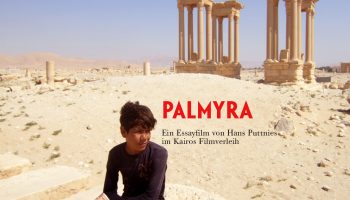
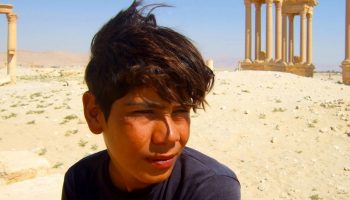
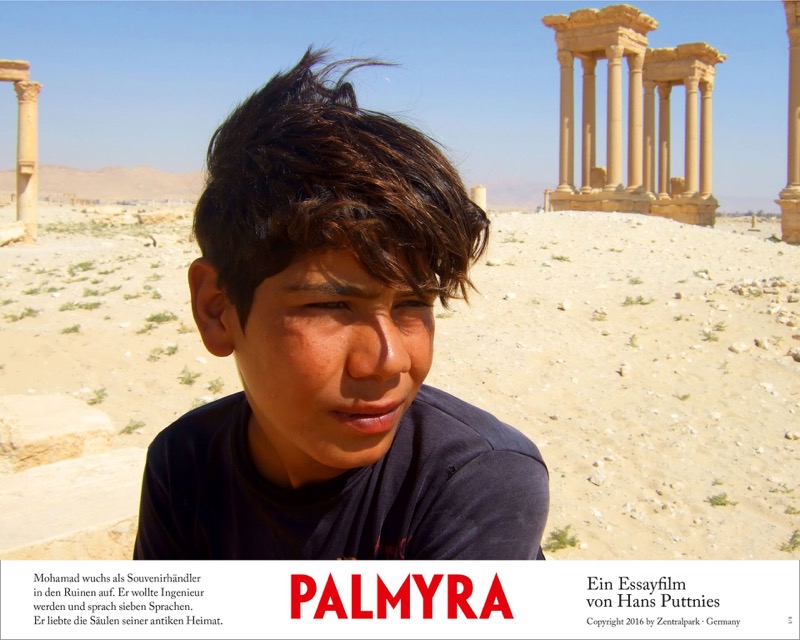
    A drive through the peaceful streets of Tadmor cannot record the horror that prevailed next door in the city's notorious torture prison. Later, the 15-year-old souvenir dealer Mohamad describes his life among the ruins so vividly that one understands antiquity for the first time as his home.

Reviews

Press Reviews of the Film

Book a Screening

Bring PALMYRA to your venue

The film is available for cinemas, cultural institutions, universities and private screenings.

Request a Screening
PALMYRA — Blu-ray

Pre-order

PALMYRA on Blu-ray

Released on 20 November 2026 — marking the opening of the exhibition «Out of the Box», featuring the estate of Hans Puttnies at the Jewish Museum Frankfurt.

Days
Hours
Minutes
Seconds

€29.90Blu-ray · plus shipping

Included

  • The film »Palmyra« on Blu-ray
  • Incl. »Dammereez Diaries — The Making Of« — a film by Daniel Kirschbaum
  • Booklet on the film

Blu-ray — feature film and the »Making of Palmyra« by Daniel Kirschbaum as bonus.

Non-binding — payment only once the Blu-ray is available.

FSK 16Rated 16 (FSK — German youth-protection rating).

PALMYRA — Blu-ray

Blu-ray · incl. »Dammereez Diaries — The Making Of« · €29.90 per copy

Team

Hans Puttnies

Hans Puttnies

Camera, Script & Direction

The author and director of the essay film »Palmyra« remains largely unknown to the wider public. He has published several books on visual history but never spoken to a mainstream audience through them.

About Hans Puttnies +

The author and director of the essay film »Palmyra« remains largely unknown to the wider public. He has published several books on visual history but never spoken to a mainstream audience through them. His film work took place anonymously within advertising, and for three decades the greater part of his time was devoted to teaching.

Biography +

Hans Puttnies was born in Jena in 1946. At the age of eleven he fled to the West with his mother. In 1966 he began studying philosophy in Frankfurt am Main under Horkheimer and Adorno, but soon set those studies aside in favour of active engagement in the student movement and freelance journalistic work for Der Spiegel (photographs) and the FAZ (texts). Only in 1976 was he able to complete his doctorate under Helmut Brackert, with a media-historical treatise on »The Origin of the German Press«.

He edited the business magazine Topics for two years and worked as a copywriter in advertising before being appointed Professor of Communication Design at the Darmstadt University of Applied Sciences in 1981. There he taught photography and graphic design, helped build the international Media department and founded the discipline of Media Culture.

As curator and designer he created major exhibitions in Paris, Moscow and Berlin. After retiring in 2009 he founded the Zentralpark Archive, where his collections of anonymous photographs and his own photographic work are catalogued and made accessible. From 1983 until her death in 1991 he was married to the French art dealer Nicole Andrillon. His second wife, Sigrid Brügel-Puttnies, is also the producer of the film »Palmyra«.

Hans Puttnies lived close to the river Elbe, in the biosphere reserve left behind by the former inner-German border in Mecklenburg. He passed away in 2020.

Bibliografie +
  • fotoform. Köln: Galerie Rudolf Kicken 1980
  • Atget. Köln: Galerie Rudolf Kicken 1980
  • Deutsche. Porträts der sechziger Jahre (mit Stefan Moses). München: Prestel 1980
  • Ursprung der deutschen Presse (Diss. Johann Wolfgang Goethe-Universität). Frankfurt am Main 1981
  • Design Process Olivetti 1908-1983. Frankfurt am Main: Olivetti 1983
  • Drei Tage mit James Joyce (mit Gisèle Freund). Frankfurt am Main: Suhrkamp 1983
  • Die Barbie Story. Dreieich: Mattel 1989
  • Benjaminiana (mit Gary Smith). Giessen: Anabas 1991
  • Catalogue de l'œuvre photographique Gisèle Freund (mit Gisèle Freund). Paris: Centre Pompidou 1991
  • Die Frau mit der Kamera (mit Gisèle Freund). München: Schirmer/Mosel 1992
  • Sergej Lobovikov. Ein russischer Meister der Kunstfotografie. München: Prestel 1995
  • Das Gesicht der Weimarer Republik. Menschenbild und Bildkultur 1918-1933. Berlin: Deutsches Historisches Museum und Einstein Forum 2000
  • Die Kunst des Lächelns. Ein Kulturkonzept für die Rhein-Main-Region (mit Studenten des Mediencampus Dieburg). Darmstadt: Identicon 2007
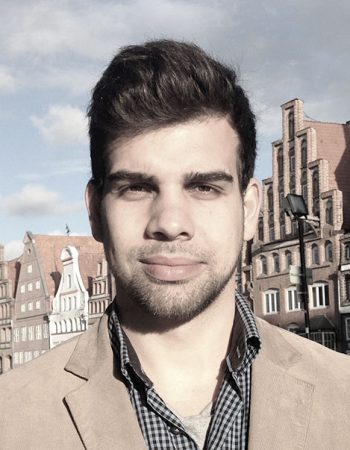
Daniel Kirschbaum

Daniel Kirschbaum

Editing, Sound & Music

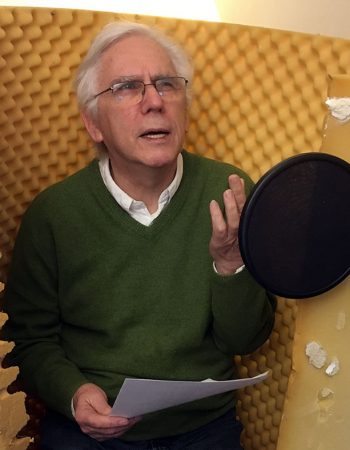
How do you score an essay film? This new genre sits between feature film and documentary: the filmmaker accompanies every image with his own narrating voice and, as an invisible performer, shapes the viewer's perception.

About the Music of »Palmyra« +

How do you score an essay film? This new genre sits between feature film and documentary: the filmmaker accompanies every image with his own narrating voice and, as an invisible performer, shapes the viewer's perception. The music has to fight for its own influence on the cinematic experience against that voice. In »Palmyra« it succeeds by taking on a subjective role, stepping forward from the atmospheric background during pauses in the narration and between chapters, and emotionally commenting on the author's arguments.

What emerges is a self-assured, young music rooted in hip-hop sampling technique, taking up its own distinct position alongside the images. It forms a soundscape in which ambient noise has become redundant, because the illusion of a realistic acoustic space is no longer attempted at all. Here too, »Palmyra« breaks with the documentary tradition of pairing the authentic image with simultaneously recorded location sound.

And yet the musical motifs never feel synthetic. Generated almost entirely electronically, they vary and collage samples from digital libraries in a way that evokes memories of natural sounds and musical instruments in the listener. The result is a new kind of sound that profoundly shapes the cinematic experience and fascinates as a composition in its own right.

Biography +

For the music of »Palmyra«, Daniel Kirschbaum drew on a wide range of experiences. He grew up in an artist's family in Yekaterinburg, came to Germany in 1997 and started creating his first beats and writing songs even before his media studies at the Darmstadt University of Applied Sciences. He founded the internet band Pozitron and composed music for the rappers Sookee, Blessed Child, Captain Gips, Msoke and Refpolk. He also released several remixes on the music label Springstoff. In 2011 he reimagined Handel's »Acis and Galatea« in a hip-hop style at the Koblenz State Theatre.

Kirschbaum has worked extensively on music with young people, producing a CD of songs with immigrant children from Berlin's Manege youth centre. In 2014 he staged his own musical »Plötzlich Zukunft« with pupils in Kyritz. He earned his Master of Media Arts in 2015 at the Darmstadt University of Applied Sciences with a soundscape composition for a church space. He lives in Berlin.

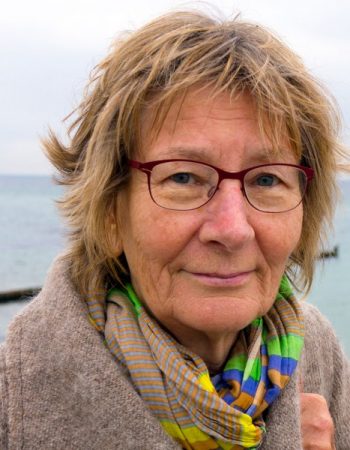
Sigrid Brügel-Puttnies

Sigrid Brügel-Puttnies

Production

Sigrid Brügel-Puttnies is the widow of the filmmaker and director Hans Puttnies (1946–2020) and a co-partner in the Zentralpark Archive. She produced the essay film »Palmyra«.

About Sigrid Brügel-Puttnies +

Sigrid Brügel-Puttnies is the widow of the filmmaker and director Hans Puttnies (1946–2020) and a co-partner in the Zentralpark Archive. She produced the essay film »Palmyra«.

Biography +

As producer she oversaw the project development and realisation of their joint films. After her husband's death in 2020 she continues to manage his artistic legacy and the Zentralpark Archive.

She lives in Frankfurt am Main.

Press kit for venues

Poster, flyer and press booklet as a ZIP download — for your advance promotion.

DOWNLOAD PRESS KIT (11 MB ZIP)

Write to Us